As an Amazon Associate I earn from qualifying purchases.

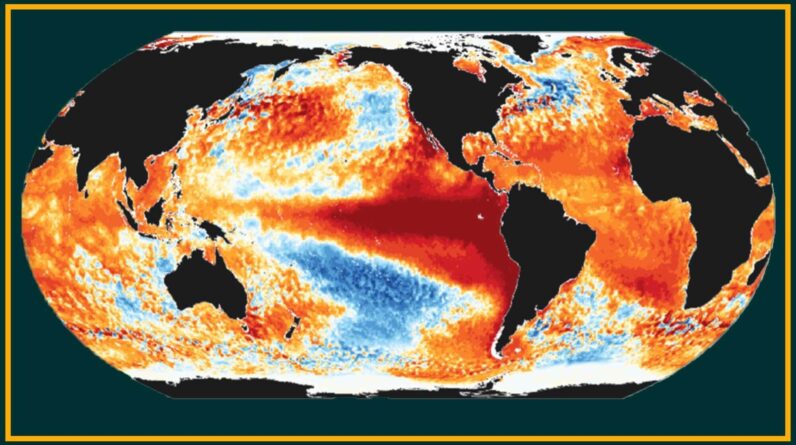
Map revealing sea surface area temperature level abnormalities on Nov. 22, 2026.
(Image credit: Copernicus Climate Change Service)
The supercharged El Niño structure in the Pacific is most likely to make 2027 the hottest year on record, about 3 degrees Fahrenheit (1.7 degrees Celsius) warmer than the late 1800sAt today’s rate of warmingthe long-lasting average will not reach that level up until the late 2030s.
We need to treat this sneak peek as a test to comprehend simply how huge these occasions can get. That implies documenting what we anticipate once in a while gaining from what takes place, so we can act in time when the next significant occasion hits.

Principal Research Fellow
Ioana Colfescu is a Principal Research Fellow in Climate and Machine Learning at the University of St Andrews and Group Lead of NCAS St Andrews, part of the UK’s National Centre for Atmospheric Science.
You should validate your show and tell name before commenting
Please logout and after that login once again, you will then be triggered to enter your display screen name.
Find out more
As an Amazon Associate I earn from qualifying purchases.